
Every ball python for sale on this page is captive bred. We carry morphs such as Pastel, Clown, Coral Glow, Albino, and Piebald. New animals are posted as they become established, so the selection changes throughout the year.
Before a snake is listed, it has to be eating on a steady consistent schedule and settled into appropriate housing with us, so it has already adjusted to a captive veterinarian approved feeding routine.
Ball pythons require carefully planned enclosures including temperature gradients, humidity control, secure hiding areas, and appropriate feeding schedules. Researching species-specific long-term environmental requirements and have the setup running before your snake ships ensures proper preparation.
New morphs are posted as they're ready, so check back often. Shopping ball pythons for sale online works best once your enclosure is ready and has held its temperature and humidity at the correct settings for several days.
Explore More Snakes:
Special Select Ball Pythons | Piebald Ball Pythons | Pythons | Green Tree Pythons | Boas | Snakes
-
$49.995 in stock
-
$79.996 in stock
-
$149.99 - $199.9912 in stock
-
$279.995 in stock
-
$89.99 - $109.995 in stock
-
$89.994 in stock
-
$89.99
-
$149.993 in stock
-
$149.996 in stock
-
$89.994 in stock
-
$149.995 in stock
-
$79.992 in stock
-
$169.993 in stock
-
$99.993 in stock
-
MSRP$99.99$89.992 in stock
-
$69.99
-
$129.993 in stock
-
$69.992 in stock
-
$129.992 in stock
-
$79.992 in stock
-
$189.992 in stock
-
$179.99
-
$119.994 in stock
-
$99.992 in stock
-
$119.994 in stock
-
$149.993 in stock
-
$169.992 in stock
-
$169.99 - $244.994 in stock
-
$199.99 - $279.995 in stock
-
$179.99 - $229.993 in stock
-
$129.992 in stock
-
$149.992 in stock
-
$149.993 in stock
-
$249.99 - $309.996 in stock
-
$199.991 in stock
-
$199.99
-
$169.992 in stock
-
$289.99
-
$299.99 - $349.995 in stock
-
MSRP$199.99$189.99
-
$169.992 in stock
-
$79.992 in stock
-
$149.992 in stock
-
$149.99
-
$149.992 in stock
-
$189.995 in stock
-
$129.99
-
$169.994 in stock
-
$129.99 - $149.995 in stock
-
$149.994 in stock
-
$249.993 in stock
-
$149.99
-
$169.991 in stock
-
$169.991 in stock
-
$69.992 in stock
-
$169.993 in stock
-
$169.992 in stock
-
$149.992 in stock
-
$169.992 in stock
-
$99.992 in stock
-
$149.992 in stock
-
$129.992 in stock
-
$129.992 in stock
-
Was$299.99$199.991 in stock
-
Was$199.99$149.992 in stock
-
$149.993 in stock
-
$299.993 in stock
-
$129.992 in stock
-
$169.99 - $219.994 in stock
-
$169.993 in stock
-
$149.992 in stock
-
$89.992 in stock
-
$169.992 in stock
-
$299.99
-
$199.99 - $249.994 in stock
-
$169.99
-
$99.992 in stock
-
Was$199.99$139.992 in stock
-
$139.992 in stock
-
$189.99
-
$199.993 in stock
-
Was$249.99$189.99
-
$99.99
-
$189.99


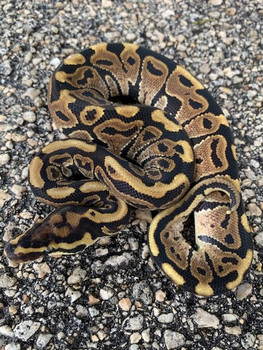


Meet the Ball Python
Ball pythons, Python regius, come from the grasslands and open forests of West and Central Africa. The name comes from their habit of curling into a tight ball with the head tucked inside when nervous. Our ball pythons are captive bred, which gives them a steadier start than imported animals.
Adult females are usually larger than males. We have never noticed any difference in temperament between the genders. They're most active from dusk into the night and spend the day hiding. Many live 20 to 30 years, or more, with good care, which can outlast a child's years at home.
Ball Python Morph Names and What They Mean
A morph name lists the genes a snake carries, and many names in our listings stack two or three of them:
- Co-dominant and dominant genes: Pastel, Mojave, Lesser, Enchi, Yellowbelly, Fire, Pinstripe, and Spot Nose each change color or pattern with a single copy.
- Super forms: Two copies of the same co-dominant gene. A Super Pastel carries two Pastel genes, an Ivory is a super Yellowbelly, and a Super Mojave appears as a Blue Eye Leucistic.
- Recessive genes: Albino, Clown, Piebald, Genetic Stripe, Ghost, and VPI Axanthic only show when a snake inherits the gene from both parents.
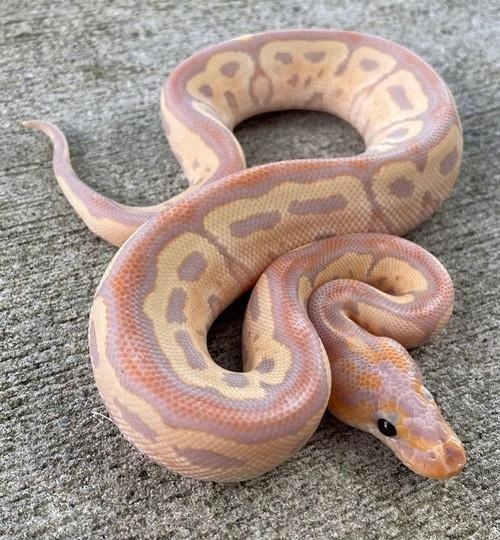
- Coral Glow: Also called Banana, a gene that produces yellow and lavender tones and often picks up small dark freckles with age.
When you compare two ball pythons for sale, read the full morph name along with the photo, since color can shift as a snake matures.
Setting Up a Ball Python Enclosure
Heat and humidity both have to be right for a ball python to feed and shed well. Have all of this running before your snake ships:
- Enclosure: A secure, latching enclosure that allows the snake to fully stretch. Include environmental enrichments to bring out natural behaviors.
- Heat: A warm side around 88 to 90°F and a cool side in the upper 70s to low 80s, with every heat source run through a thermostat.
- Humidity: Held around 60 to 80 percent, checked with a digital hygrometer and kept toward the high end during a shed.
- Lighting: A regular 12-hour day and night cycle, with low-output UVB lighting widely recommended.
- Hides: Snug hides on both the warm and cool sides so the snake can choose different options.
- Water: A heavy bowl large enough to soak in, cleaned often.
Stuck shed and refused meals are often the first signs that heat or humidity is off.
Frequently Asked Questions About Ball Pythons
How often do ball pythons eat?
Our veterinarian recommends that young ball pythons are to be fed every 5 to 7 days and adults every 10 to 14 days, with prey about as wide as the thickest part of the snake's body. Adjust based on body condition rather than a fixed calendar. Make sure to feed frozen thawed rodents of the appropriate size, as that is a veterinarian approved diet.
Why would a ball python refuse food?
Ball pythons are known for skipping meals, especially before a shed, after a move to a new home, or during cooler months. A healthy adult can go several weeks without eating, but steady weight loss is a reason to see a reptile vet.
How much does a ball python cost?
Each listing shows the current price for that snake. Single-gene morphs like Pastel, Enchi, and Yellowbelly usually cost less, while recessive morphs like Clown and Albino and multi-gene combinations cost more. The enclosure, heating, and thermostat often cost more than the snake itself.
Do ball pythons bite?
Bites are uncommon. A nervous ball python is far more likely to curl into a ball than strike, and young snakes usually settle with calm, regular handling. Bites that do happen are often feeding responses, so avoid handling around mealtimes.
How long does it take a ball python to reach full size?
Most ball pythons reach adult size around three to five years old, with the fastest growth in the first year. Males usually finish growing sooner, while females keep filling out for longer. Budget for an adult-size enclosure early, even if a baby starts out in a smaller or well-cluttered one. Just make sure they are able to stretch out fully at all stages of life.
Baby and Adult Ball Pythons
Choosing from our baby ball pythons for sale lets you raise a snake from the hatchling stage and watch its color develop. Young snakes feel more secure in a smaller or well-cluttered enclosure, since too much open space tends to keep them hiding instead of eating.
Adult ball pythons for sale arrive close to full size with a longer feeding history behind them. Adults are noted in the listing when available, and some appear on our Special Select Ball Pythons page.
Give any new arrival time to settle, and wait until it has eaten at least once before you start handling. When you do, support its body with both hands rather than gripping it.
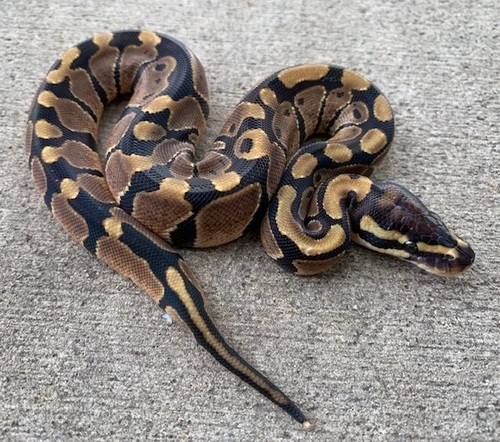
What to Know Before Buying a Ball Python
A ball python can live 20 years or more, so plan for the long run before you order. Its heat and humidity need checking every day, and it eats veterinarian approved diets of whole, frozen thawed prey on a consistent feeding schedule for its entire life.
Reptiles can carry Salmonella even when they look healthy, and the CDC advises that children under 5 should not handle them. A few habits keep everyone safe:
- Wash with soap and water right after handling the snake or anything in its enclosure.
- Keep the snake and its supplies out of the kitchen and away from food.
- Handle while sitting down until you know how your snake moves.
- Supervise children whenever they handle the snake.
For a broader planning checklist, see our Responsible Care and Ownership page.
Buying a Ball Python Online From Us
Our ball pythons for sale online are captive bred, eating consistently, and fed a veterinarian-approved diet of frozen thawed rodents before they're listed.
Before you check out, read our Shipping and Guarantees page for how snakes are packed for transit and what's covered when they arrive. For more specialty morphs, browse our Piebald Ball Pythons collection.
Pick Out Your Ball Python
Each ball python for sale above lists its morph so you know what you're getting. If you're deciding between two morphs, or between a baby and an adult, our team can help you match the snake to the setup you've built.
Contact Us